
Shop Insurance Solutions :: News
SHARE

Share this news item!

Why Cyber Risk Now Belongs in Every Retail Insurance Review

Payment systems, online stores and supplier platforms are reshaping what shop owners need to protect

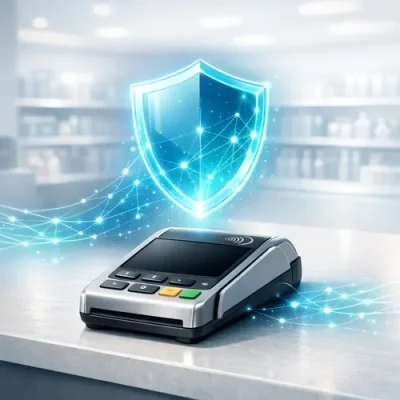
Why Cyber Risk Now Belongs in Every Retail Insurance Review?w=400

The information on this website is general in nature and does not take into account your objectives, financial situation, or needs. Consider seeking personal advice from a licensed adviser before acting on any information.

Fresh insurance industry attention on SME cyber exposure is a timely reminder for Australian retailers that digital risk is no longer separate from day-to-day shop operations.
Even a small store may now rely on connected point-of-sale terminals, cloud accounting, booking tools, e-commerce platforms, delivery apps, loyalty databases and supplier portals.
When one of those systems fails or is compromised, the result can be more than a technical inconvenience.

For a shop owner, a cyber incident may stop payments, delay orders, expose customer information, interrupt online sales or prevent staff from accessing essential records. Unlike a smashed window or damaged stock, the problem may not be immediately visible. A business email compromise, fake invoice, ransomware lockout or third-party platform outage can unfold quickly and create costs before the owner has a clear picture of what has happened.

This is where insurance wording matters. Cyber cover can vary significantly between insurers. Some policies may help with incident response, forensic IT costs, privacy advice, data restoration, customer notification, cyber extortion events and business interruption caused by a covered cyber incident. Others may include exclusions, waiting periods, sub-limits or conditions that narrow how the policy responds. Retailers should be particularly careful where their exposure sits between a shop policy, a cyber policy and the terms of external technology providers.

The practical lesson is not that every retailer needs the same level of cover. A boutique with a simple card terminal has a different risk profile from an online store holding customer accounts and processing regular digital orders. However, both should understand what would happen if systems were unavailable for a trading day, a week or longer. Reviewing a cyber insurance limit can help frame that discussion before renewal rather than after an incident.

Retailers can also expect insurers to keep asking sharper questions about controls. Multi-factor authentication, staff scam awareness, regular software updates, secure backups, payment handling and access management are becoming important underwriting details. Weak answers may affect premiums, excesses or availability of cover, while stronger controls may support a clearer risk submission.

This development also connects with broader claims readiness. Shop owners should keep records of software providers, payment systems, recovery contacts, backup procedures and incident response steps. If a claim occurs, clear documentation can reduce confusion and help establish whether the loss falls within the policy terms.

Cyber risk is now a commercial resilience issue for retailers, not just an IT problem. As more sales, payments and customer interactions move through digital channels, insurance reviews should reflect how the business actually trades today.

Published:Wednesday, 9th Sep 2026
Author: Paige Estritori

Please Note: We do not endorse any specific products or companies. Some content is sourced from third parties, including press releases, and may not be independently verified for accuracy or completeness.

Share this news item:

Rate this article

0 Comments

No comments yet. Be the first to share your thoughts.

Insurance News

Why Cutting Cover Can Cost Retailers More Than It Saves
16 Sep 2026: Paige Estritori
Fresh small business commentary has again put insurance affordability under the spotlight, with many Australian operators facing the difficult task of balancing higher premiums against day-to-day trading costs. For retailers, cafés, convenience stores, boutiques and online sellers, the message is clear: reducing cover may ease short-term cash flow pressure, but it can also shift far greater financial risk back onto the business. - read more
Why Cyber Risk Now Belongs in Every Retail Insurance Review
09 Sep 2026: Paige Estritori
Fresh insurance industry attention on SME cyber exposure is a timely reminder for Australian retailers that digital risk is no longer separate from day-to-day shop operations. Even a small store may now rely on connected point-of-sale terminals, cloud accounting, booking tools, e-commerce platforms, delivery apps, loyalty databases and supplier portals. When one of those systems fails or is compromised, the result can be more than a technical inconvenience. - read more
Why Battery Fire Risk Belongs in Your Next Shop Insurance Review
02 Sep 2026: Paige Estritori
Lithium-ion battery risk is moving from a niche safety issue to a practical insurance concern for Australian retailers. As more shops sell, store, repair or use rechargeable devices, insurers are paying closer attention to how battery-related fire exposure is managed. For small retailers, the issue is not limited to e-bike stores or electronics outlets. Batteries can sit inside scanners, payment terminals, display products, toys, mobility devices, power tools, laptops and customer repair items. - read more
Why Claims Readiness Matters Before a Shop Insurance Dispute
26 Aug 2026: Paige Estritori
Fresh attention on insurance complaints and claim disputes is a practical reminder for Australian shop owners: the real test of a policy is not the renewal invoice, but how clearly it responds when trading is interrupted, stock is damaged or a customer incident leads to a liability claim. - read more


Business Insurance Articles

Common Retail Disasters and How to Minimise Their Impact
In the world of retail, being prepared for the unexpected can mean the difference between thriving and just surviving. Disaster preparedness is crucial, especially in a market where small retail businesses face unique challenges and risks daily. From natural disasters to theft and unforeseen accidents, these events can create significant disruptions. - read more
How to Read a Shop Insurance Quote
A shop insurance quote is more than a premium. Learn how to review cover limits, excesses, exclusions, business details, assumptions and Product Disclosure Statement information before comparing options. - read more
What Does Shop Insurance Cover in Australia?
Shop insurance can help Australian retail businesses manage risks such as customer injuries, property damage, theft, stock loss and business interruption. This guide explains common cover types, exclusions and factors to consider when comparing policies. - read more
Shop Insurance Requirements for Australian Retail Businesses
Australian shop owners may need insurance because of state laws, lease terms, supplier contracts, market rules or practical business risks. This guide explains the difference between legal obligations, contractual requirements and optional cover commonly considered by retailers. - read more

Knowledgebase
Disability Insurance:
A type of insurance protection that pays a portion of a person's income lost due to a total or partial disablement arising from either an accident or a sickness.